
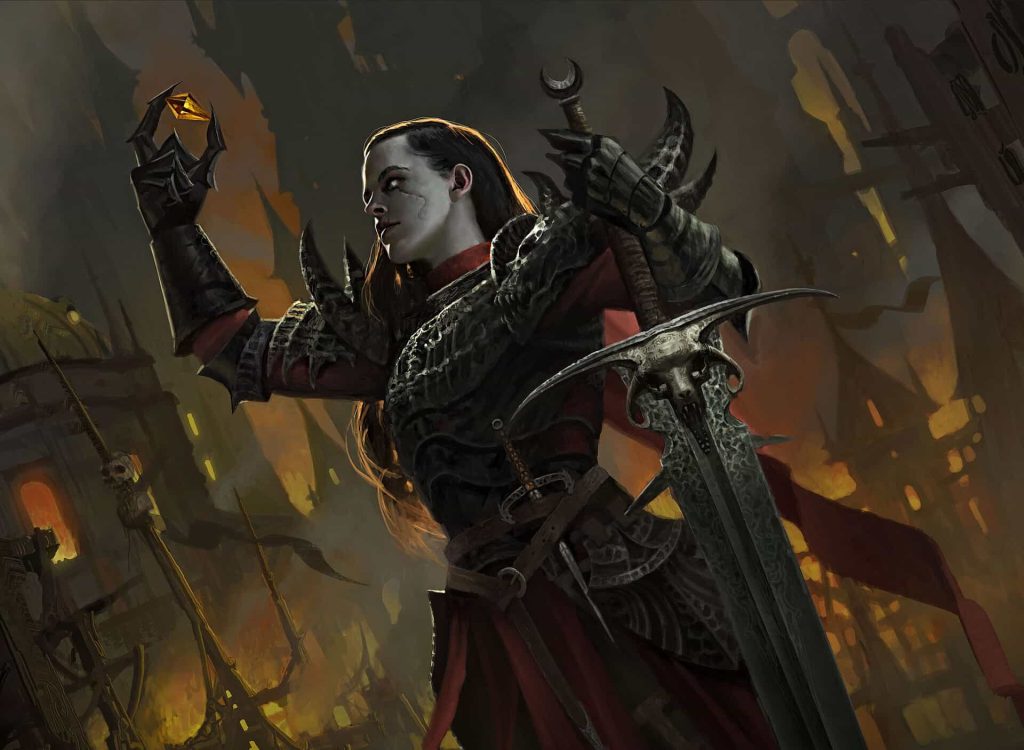
When you think of a paladin, the image that comes to mind is usually bright armor gleaming in sunlight, a holy sword raised in defense of justice, and an unshakable faith that never wavers. But what happens when that light goes out? When the vow meant to guide becomes a chain — and it finally breaks? That’s where the oathbreaker paladin begins their story. A fallen knight, a corrupted protector, or maybe… someone who simply decided that the gods no longer deserve their devotion.
What Is an Oathbreaker Paladin?
An oathbreaker paladin is not born evil — they’re made. This subclass, found in the Dungeon Master’s Guide, represents a paladin who has forsaken their sacred oath. Maybe they turned away from their deity after tragedy. Maybe they questioned the righteousness of their cause. Or perhaps vengeance pulled them down a darker path.
Instead of radiant blessings, an oathbreaker channels necrotic power. Their strength now comes from fury, grief, or sheer defiance. They command undead, inspire fear, and stand as living proof that even the brightest soul can burn too hot and fall into shadow.
| Feature / Spell Theme | What It Does | Impact on Play |
|---|---|---|
| Aura of Hate | Adds bonus damage (based on CHA) to you and nearby undead/fiends. | Turns you into a frontline commander; scales party/undead DPS. |
| Control/Animate Dead | Raise, command, or bend undead to your will. | Adds bodies for space control, scouting, and action economy. |
| Necrotic-flavored Smites | Same chassis of divine smite, but thematically darker. | Bursty single-target pressure; moral/framing tension in RP. |
The Power Behind the Fall
Mechanically, the oathbreaker paladin gains unique features that set them apart from other subclasses. Their Aura of Hate strengthens both themselves and nearby undead or fiendish allies, making them terrifying battlefield leaders. Spells like Animate Dead and Control Undead expand their influence, turning fallen enemies into extensions of their will.
Instead of divine smites fueled by holiness, their strikes are charged with vengeance and despair. The flavor is the same — righteous fury — but the tone is darker, heavier, and far more personal. Each blow feels like a confession of what they’ve lost.
Why Play an Oathbreaker?
The emotional depth of this class is enormous. Unlike a standard paladin driven by perfection, an oathbreaker paladin wrestles with guilt, purpose, and morality. They don’t fit into neat boxes of “good” or “evil.” In fact, they often blur the lines completely.
Maybe your oathbreaker still wants to do good but believes that light has failed. Maybe they see evil as a necessary weapon to destroy greater corruption. Or maybe they’ve simply given in to rage — a character arc that’s raw, painful, and incredibly rewarding to roleplay.
What’s even more intriguing is that redemption is always possible. The Dungeon Master’s Guide notes that an oathbreaker can atone, seeking forgiveness or rediscovering faith. That constant tension between damnation and hope gives the subclass a human pulse — tragic, yet alive.
Building Your Oathbreaker
Creating an oathbreaker paladin starts with asking why your character fell. This single question shapes everything — your motivations, dialogue, fighting style, and relationship with others.
Here are a few story ideas to spark inspiration:
- A betrayed knight who discovered their holy order was corrupt from within.
- A grieving paladin who turned to necromancy to bring back a loved one.
- A soldier who lost faith after witnessing divine silence during a massacre.
- A protector who couldn’t save their city and now embraces vengeance as justice.
Each backstory gives your character emotional weight — and gives the campaign a powerful moral thread to explore.
Playing the Oathbreaker in a Party
Let’s be honest — joining a group as an oathbreaker isn’t always easy. You’re not exactly the person people want watching their back. But that’s the beauty of it. Conflict, redemption, mistrust, and loyalty all take on new shades when your paladin walks the edge of darkness.
Communicate with your DM and teammates. Maybe your oathbreaker hides their past. Maybe they’re trying to earn back trust. Or maybe they’ve accepted who they are and lead the group with cold determination. Whatever the path, tension breeds storytelling gold.
| Party Concern | Symptoms at the Table | Player Tools (You) | DM Tools |
|---|---|---|---|
| Trust & Morality | Allies fear undead, question motives. | Lines/Veils talk; visible boundaries (no innocents, no grave-robbing). | Consequences with nuance; NPCs who accept pragmatic help. |
| Table Spotlight | Undead minions hog scenes; others feel sidelined. | Cap minion count; use minions as aids for allies’ checks. | Encounters that reward teamwork, not solo commanding. |
| Tone & Theme | Game drifts too grim. | Allow moments of mercy/hope; small kindnesses in play. | Inject hopeful threads, redemption hooks, supportive NPCs. |
Roleplaying Tips
To make your oathbreaker stand out as more than just a “fallen hero,” lean into contrast. They remember what holiness felt like — and that makes their darkness even sharper.
- Let remnants of old habits slip through. Maybe they still whisper prayers out of instinct.
- Speak softly but carry an aura of intimidation.
- Let guilt flicker beneath confidence — a reminder that no one escapes their past.
- Choose small gestures of kindness that contradict their grim presence. It keeps them human.
The best oathbreakers aren’t villains; they’re people who’ve seen too much and can’t unsee it.
Redemption or Ruin?
Every oathbreaker paladin stands at a crossroads. Will they sink further into darkness, consumed by anger and necrotic power? Or will they crawl back toward the light, one painful inch at a time?
There’s no single right answer — and that’s the beauty of it. Whether you embrace the shadows or fight against them, the class offers a rare emotional depth that few others can match. Every battle, every conversation, every act of mercy or cruelty feels charged with meaning.
Maybe, in the end, the true power of an oathbreaker isn’t in their unholy magic — it’s in their story. The story of a person who fell, broke their vow, and chose to keep walking anyway.