
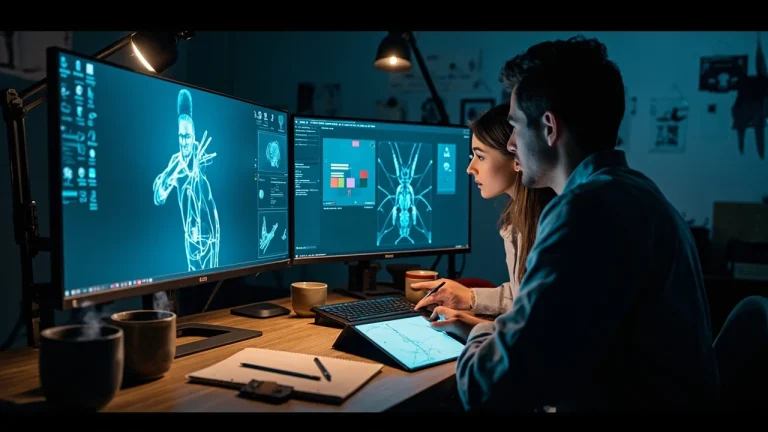
Video game art outsourcing: a producer’s guide to scope, cost, and quality
Video game art outsourcing: what studios actually buy and why Production leads reach for video game art outsourcing when internal art bandwidth cannot meet a milestone, when a specialist skill is missing from the team, or when a content-heavy stretch would force permanent hires that the post-launch schedule will not…
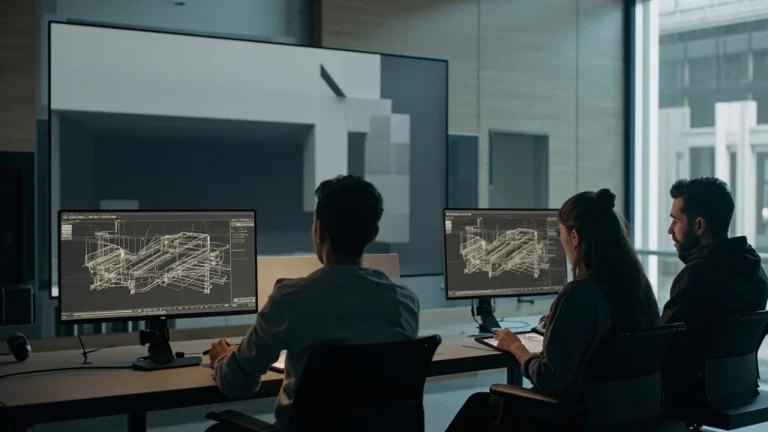
How to choose an online game development company for your next project
Online game development company: how to choose one for your project Choosing an online game development company is rarely about finding the cheapest quote or the most aggressive pitch deck. The decision is about whether a remote team can hold the same creative, technical, and production standards that an in-house…

How to evaluate iOS game development companies for your next build
iOS game development companies: what they actually do and how to pick one Choosing between iOS game development companies usually starts the same way: an iPhone or iPad title needs to ship, an existing build has stalled, or a live game needs an iOS port and ongoing LiveOps. The market…

Choosing an NFT game development company in USA: a studio evaluation guide
NFT game development company in USA: what buyers actually evaluate A studio selecting an NFT game development company in USA is rarely choosing between identical offers. The differences live in production scope, blockchain architecture, art pipeline maturity, and what the partner is willing to own after launch. The right evaluation…
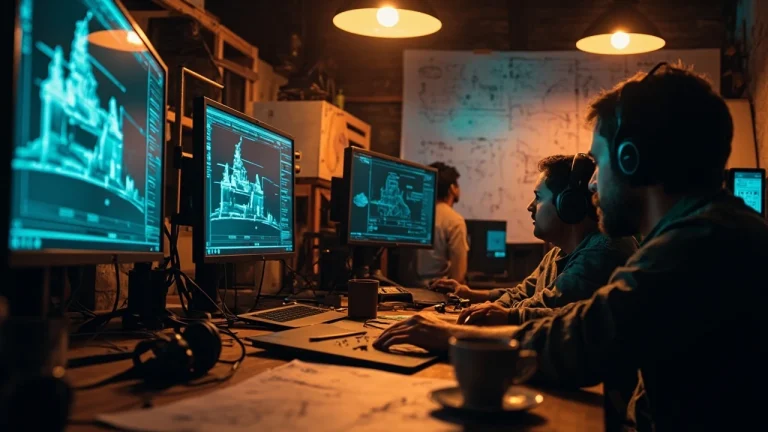
How Game Development Companies Build, Ship, and Scale Modern Games
How game development companies build, ship, and scale modern games A mid-size studio pitching a survival sandbox to publishers does not need the same pipeline as a 50-person team polishing a narrative adventure, and both look very different from a mobile studio shipping a live-service update every two weeks. The…

Best gaming platforms elmagplayers: how studios pick the right destination
Best gaming platforms elmagplayers: how studios actually pick where to ship Picking the best gaming platforms elmagplayers is rarely a single-storefront decision. Studios weigh storefront rules, certification cost, audience overlap, engine compatibility, payout models, and live operations overhead before a single build is uploaded. A platform that looks great in…
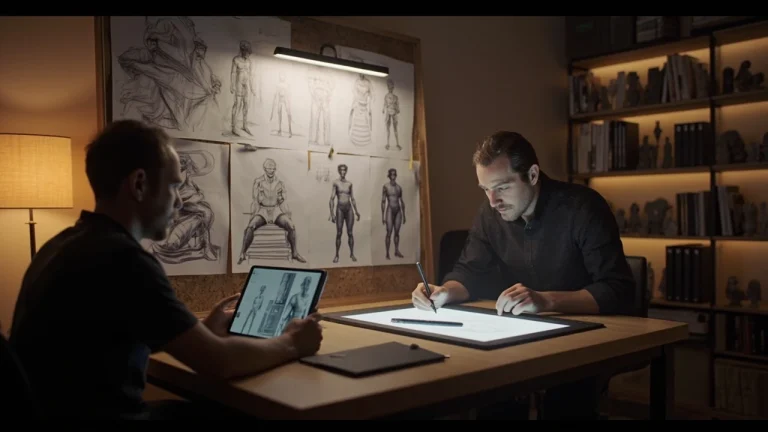
Character design services for games: how studios plan, commission, and review the work
Character design services for games: what a studio actually delivers A production lead opens a folder labelled “hero character”, and inside sit two concept sketches, a turnaround, three expression sheets, a ZBrush blockout, and a colour key. That bundle is what most studios mean by character design services: the full…
Remaster vs remake in game development: scope, cost, and pipeline
Remaster vs remake: where the two paths actually diverge A publisher owns a fifteen-year-old role-playing game with a loyal fanbase but middling sales on modern storefronts. Leadership wants to know whether the smartest move is a remaster, a remake, or something in between. The decision shapes art, engineering, QA, marketing,…

How to Choose an Unreal Game Development Company for Your Project
Choosing an unreal game development company for your project An unreal game development company is one that builds, ports, or supports games on Epic Games’ Unreal Engine, usually covering at least one full production phase from pre-production through post-launch support. Studios evaluate these partners on pipeline maturity, engine-version expertise, and…

Mobile game development cost in 2026: a practical breakdown for studios and producers
Mobile game development cost: what really drives the number in 2026 The honest answer to the question of mobile game development cost in 2026 is that a small single-player mobile title can be built and shipped for around $50,000, while a feature-rich live-operated mobile production frequently lands between $300,000 and…
Unreal game development studio: how UE 5 teams ship
Unreal game development studio: how production teams build on UE 5 An unreal game development studio is a production team that has standardized on Epic Games’ Unreal Engine for most of its work. The choice shapes prototypes, art-to-code handoff, platform builds, cinematic budgets, and how risk is handled between vertical…
What Is a Triple A Game? Definition, Production, and Examples
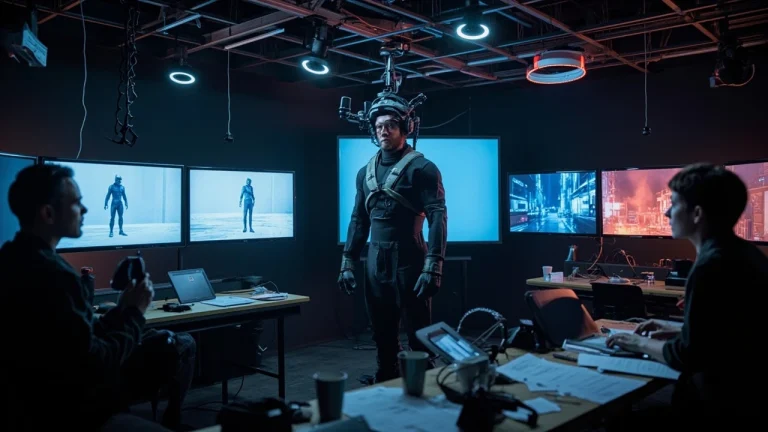
What is a triple A game? A triple A game, usually written as “AAA game” or “3A game,” is a video game produced with the largest budgets, the biggest internal teams, and the widest marketing push that a publisher can mount. The label is industry shorthand for projects that sit…
Expedition 33 characters: roles, party roles, and design context
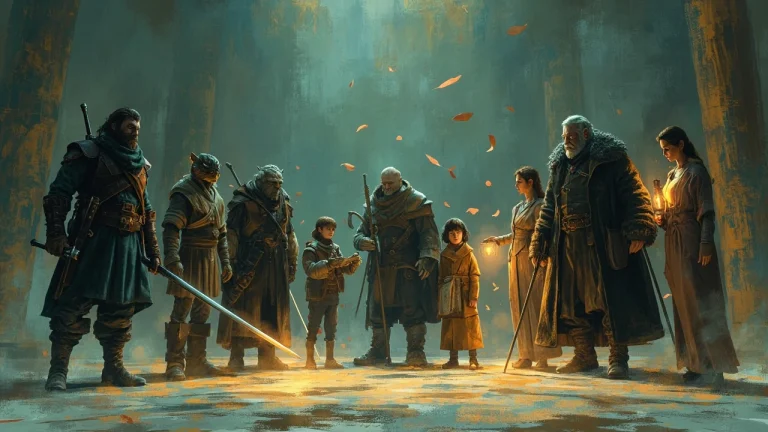
Expedition 33 characters: a developer-oriented guide to the core cast When readers search for Expedition 33 characters, they usually want a clear map of who is in the party, what each member contributes in combat, and how the cast fits into the larger story. Clair Obscur: Expedition 33 is built…
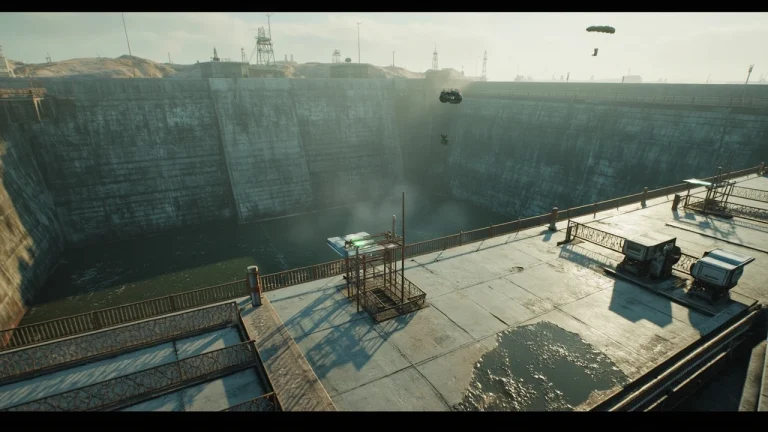
Call Station Dam Battlegrounds: ARC Raiders map guide
Call station Dam Battlegrounds: what it is and why it matters in ARC Raiders The Dam Battlegrounds map in ARC Raiders holds a tight cluster of Call Stations near the central dam structure, and that single piece of geography shapes almost every fight on the field. The antennas sit on…
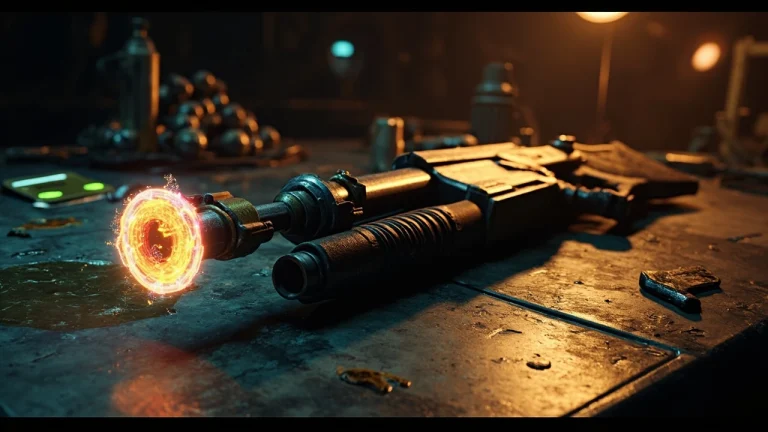
Splashzone Borderlands 4: weapon mechanics, parts, and farming
Splashzone Borderlands 4: what the weapon is and why players care A shotgun called Splashzone in Borderlands 4 behaves differently from a standard Borderlands shotgun because its damage is split between a small projectile impact and a much larger secondary radial effect on the same shot. Reading that split correctly…
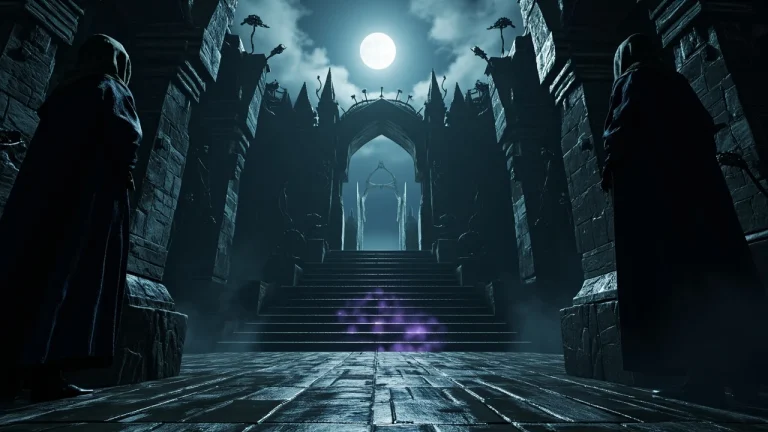
House of Grief in Baldur’s Gate 3: Walkthrough, Choices, and Consequences
House of grief in Baldur’s Gate 3: what the quest actually is The House of Grief is a mid-to-late Act 3 location in Baldur’s Gate 3, run by the Dark Urge’s mother and the cleric of Shar Viconia DeVir, who returns as a major figure in the building after her…

NTE codes: how game teams design redemption flows
NTE codes: how game teams design and ship redemption flows Redemption strings sit at the intersection of player experience, live operations, and platform compliance, and the term “nte codes” is shorthand many studios use for short token strings that unlock cosmetics, currency, or test entitlements inside a game. The strings…
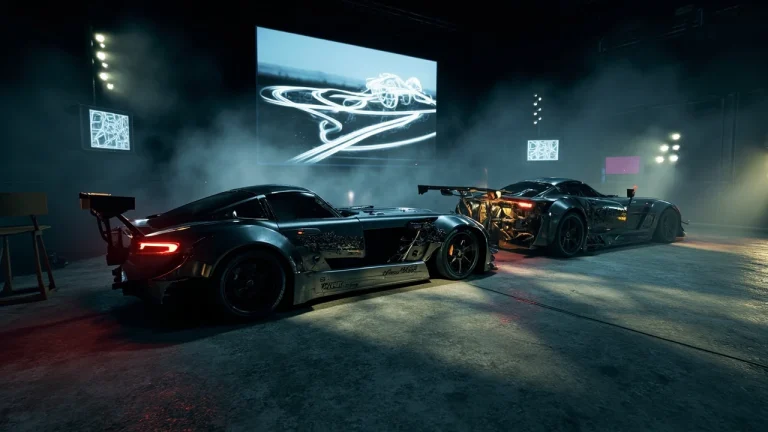
Fast and Furious 11: What Game Developers and Designers Can Learn from the Franchise
Fast and Furious 11: what game developers and designers can actually learn from the franchise Fast and Furious 11 sits in a strange place for a working game team. It is a live-action feature in a series famous for car chases, but the mechanics that make the films feel distinctive…

When was the fracture expedition 33? Timeline, lore, and release context
When was the fracture expedition 33? The fracture expedition 33 is a lore event inside the world of Clair Obscur: Expedition 33, the 2025 turn-based RPG developed by Sandfall Interactive and published by Kepler Interactive. Inside the game’s internal chronology, the expedition is numbered 33 because it is the thirty-third…
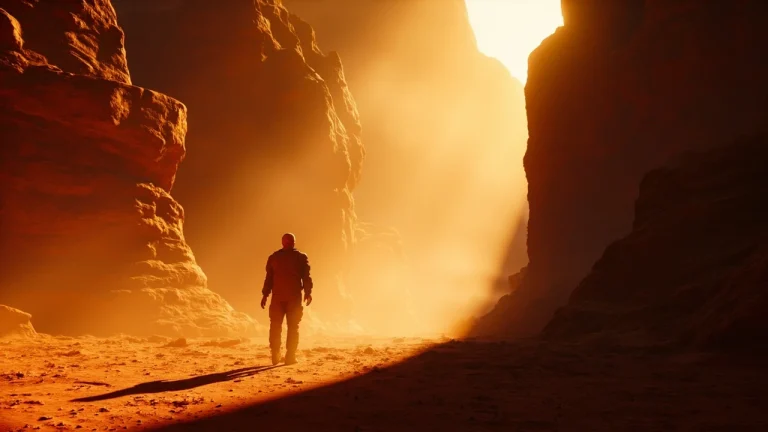
Trace of Shadows in Crimson Desert: a developer analysis of light, stealth, and player readability
Trace of Shadows in Crimson Desert: how lighting and stealth shape a modern open world A shadow on a dusty rock ledge is not just a pretty rendering artifact. In an open world built around large-scale skirmishes, horseback traversal, and stealth takedowns, the way a game engine renders cast shadow,…