
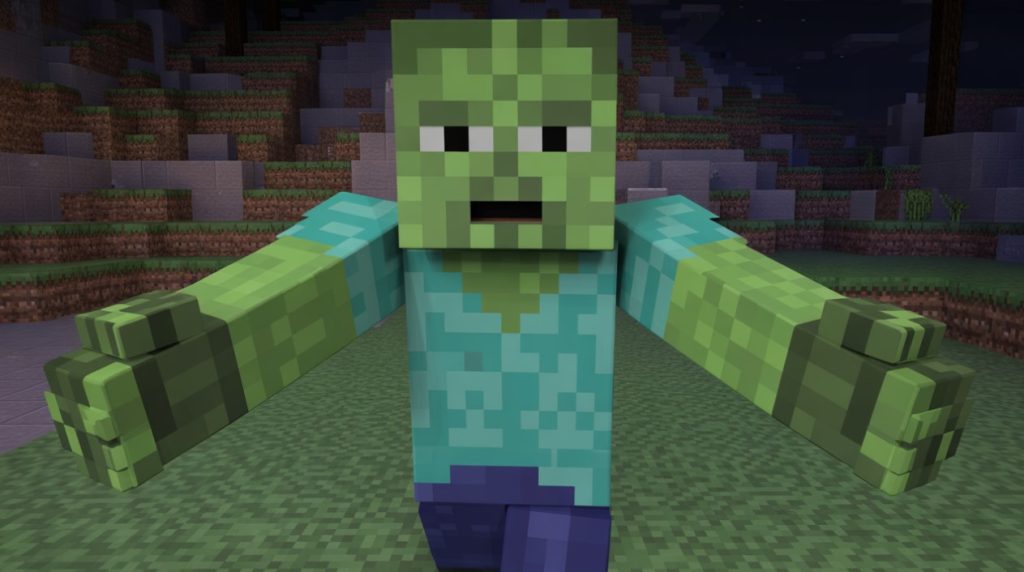
The Shambling Horror: Why the Minecraft Zombie Still Rules Nights
Hey there, fellow pixel-pushers and code-slingers. I’m Alex from the ManillaGames team – yeah, the ragtag bunch of devs, artists, and late-night gamers who’ve spent way too many hours turning coffee into creepy crawlies. If you’re just starting out in game dev, staring at a blank Unity scene or a sketchpad full of question marks, let me tell you: sometimes the best muse is right there in your childhood survival sandbox. Enter the Minecraft zombie. That groaning, arm-flailing green guy who’s been chasing us since 2011? He’s not just a blocky bother; he’s a masterclass in simple, effective enemy design.
You know that feeling when the sun dips and the moans start? Heart races, torches fly, and suddenly you’re fortifying a dirt hut like it’s the Alamo. That’s the magic. As someone who’s coded AI for horror indies and textured undead hordes, I see the Minecraft zombie as pure gold for beginners. It’s got layers – behaviors that feel smart without being overwhelming, variants that add spice, and loot that rewards the grind. And honestly, in our line of work, stripping back to basics like this keeps things fresh. Why chase hyper-realism when a low-poly groaner can terrify?
But let’s not get ahead. Thing is, with Minecraft hitting its stride into 2025 – snapshots teasing wilder mob twists like that experimental Zombie Nautilus shell – it’s a perfect time to revisit this classic. We’re talking vanilla facts here, no mods, just the stuff Mojang’s baked in. If you’re sketching your first enemy or scripting pathfinding, stick around. We’ll break it down, toss in some dev hacks, and maybe even spark that “aha” moment for your next prototype.
Decoding the Minecraft Zombie’s Brain: AI That Punches Above Its Block
Ever wonder why the Minecraft zombie doesn’t just clip through walls like some janky early beta? Nah, this thing pathfinds like a pro – navigating terrain, breaking down doors on hard mode, even picking up dropped gear to gear up mid-fight. It’s deceptively clever, and for us aspiring devs, that’s the hook. You don’t need neural nets to make foes feel alive; a bit of state-based logic does the trick.
Take the basics: zombies spawn in the dark, light level 0, mostly at night or in caves. They shamble toward you at a jog – about 2.5 blocks per second – and swing for 3 hearts of damage unarmed. But here’s the kicker: they call for backup. Spot one, and soon a pack’s on you, drawn by that eerie call. It’s emergent gameplay at its finest, turning a solo stroll into a horde panic. And sunlight? Poof – they burn up unless shaded or geared. Simple environmental weakness, but it forces smart level design.
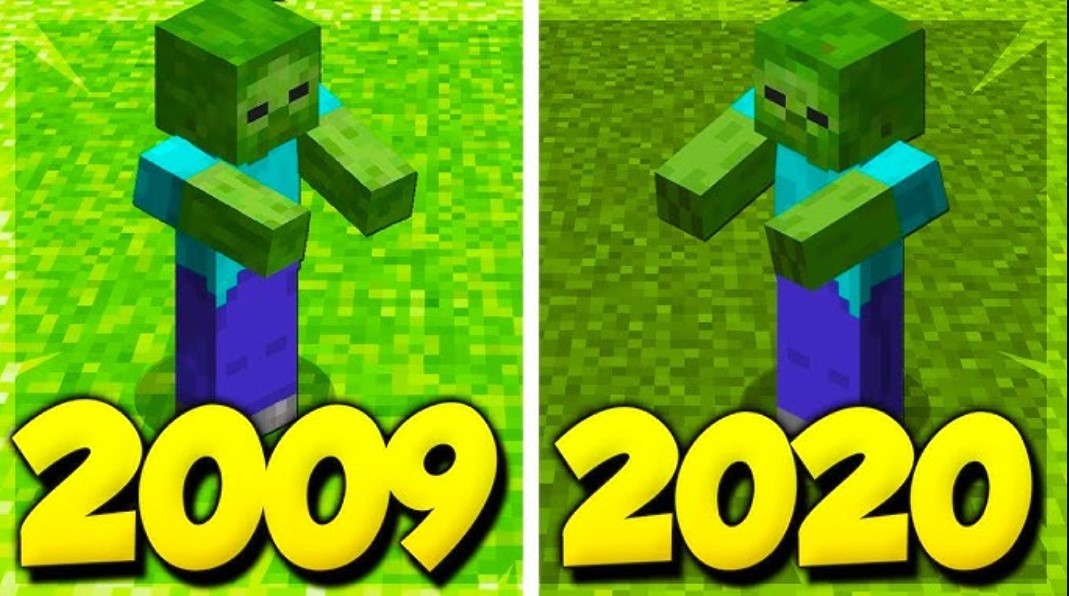
For beginners, scripting something like this in Godot or Unreal? Start small. Use a navmesh for pathing, add a “detect player” raycast, then layer on group summons via events. We did this in our last jam entry – a zombie that “infects” NPCs – and it ramped tension without bloating the build. The Minecraft zombie teaches restraint; overcomplicate, and you lose that raw fear.
Minecraft Zombie Behaviors: A Quick Dev Cheat Sheet:
- Pathfinding Smarts: They avoid cliffs and water unless you’re in it – great for forcing chokepoints in your maps. Pro tip: Add a “stuck” timer to make ’em bash obstacles, mimicking door-breaking.
- Gear Grabs: 10-15% chance to spawn equipped, or scoop up iron swords from the ground. Imagine your artist buddy texturing a rusty blade; now code it to degrade over swings for realism.
- Baby Blitz: Those tiny terrors? 5% spawn rate, twice as fast, squeeze through 1-block gaps. Perfect for chaos in tight spaces – think urban horror levels.
Oh, and a gentle contradiction: zombies seem dumb, right? Lumbering idiots. But equip ’em with a bow (rare, via villager conversion gone wrong), and suddenly they’re ranged threats. Resolves to: balance is key. Make variants scale difficulty naturally.
From Green Ghoul to Desert Dry: Exploring Minecraft Zombie Variants
Variants keep the Minecraft zombie fresh – no two nights the same. Husks in deserts, drowned in oceans, even zombie villagers begging for a splash potion cure. It’s biodiversity in mob form, and for artists dipping toes into procedural gen, this is inspiration central. Why draw one undead when you can riff on climates?
Husks, for instance – those withered, sand-blasted versions – don’t burn in the sun but cough up hunger effects on hit. Drowned? Aquatic zombies with tridents, turning rivers into kill zones. And babies across the board? Speed demons that make you rethink fence heights. In 2025’s snapshots, whispers of more like that nautilus-toting zombie hint at underwater expansions, but core variants hold strong.
As ManillaGames artists, we’ve pulled textures straight from these: desaturated palettes for husks, kelp-draped meshes for drowned. Beginners, grab Blender, import a Minecraft model pack (legally, of course), and tweak. Add wind-sway to rags or bubble trails – boom, your portfolio piece.
| Variant | Spawn Biome | Unique Trait | Dev Inspiration |
|---|---|---|---|
| Standard Zombie | Overworld (night/caves) | Door-breaking on hard; picks up items | Basic AI template – add equip slots for loot scalability |
| Husk | Desert | Hunger debuff; no sun burn | Environmental adaptation: code biome-specific buffs/debuffs |
| Drowned | Ocean/River | Trident throws; swims | Water physics integration – raycast for ranged attacks underwater |
| Zombie Villager | Anywhere (5% of zombies) | Curable with potion/weakness | Narrative hooks: “redeemable” enemies for story branches |
| Baby Zombie (all) | 5% chance | 30% speed boost; tiny hitbox | Scaling difficulty: smaller = faster = deadlier in crowds |
This table’s our go-to for prototyping – it shows how one base model branches into worlds.
Loot from the Grave: What Minecraft Zombies Drop and Why It Hooks Players
Killing a zombie shouldn’t feel pointless, and boy, does Minecraft nail that. Every shambler’s got a 100% shot at rotten flesh – gross, but wolf food or brewing bait. Rarer pulls? Iron ingots for tools, potatoes or carrots to farm, even a chance at worn armor. Looting enchantment bumps odds, turning farms into grind fests.
From a dev angle, loot tables are psychology. That dopamine hit from a surprise ingot? It’s why we replay. In our games, we mirror this: common junk for sustain, rares for progression. Zombies dish 5 XP base (12 for babies), fueling enchants. Honest talk – it’s grindy, but that’s the charm. No paywalls, just persistence.
And 2025 loot tweaks? Snapshots toy with “slots” pools for equipped drops, but vanilla zombies stick to classics. For artists, visualize those drops: moldy green flesh blobs, pitted iron chunks. Sketch ’em glowing on pickup for your UI flair.
Here’s a breakdown – probabilities straight from the wiki, tuned by difficulty:
| Item | Drop Amount | Easy Chance | Normal Chance | Hard Chance | Notes |
|---|---|---|---|---|---|
| Rotten Flesh | 0-2 | 100% | 100% | 100% | Always; trade with clerics |
| Iron Ingot | 0-1 | 0% | 0.83% | 1.67% | Gear up your smithing |
| Carrot/Potato | 0-1 | 0.3% | 0.525% | 0.65% | Farm starters; Looting boosts |
| Iron Helmet | 0-1 | 0.04% | 0.04% | 0.08% | Rarely equipped; repair fodder |
| XP Orbs | 5 (12 baby) | 100% | 100% | 100% | Level up your sword swings |
Use this in your loot RNG scripts – weight commons high, rares low for that thrill.
Pro Tips for Implementing Zombie Loot in Your Game
- RNG Balance: Seed your randomizer with player luck stats – Minecraft’s Looting is a genius parallel.
- Visual Pop: Animate drops bursting out; our team added particle bursts for that “jackpot” vibe.
- Economy Tie-In: Link drops to crafting trees, like flesh to potions – keeps worlds interconnected.
Artistic Undead: Texturing and Animating Your Own Minecraft Zombie Homage
Art’s where the Minecraft zombie shines for beginners – blocky, but evocative. Those vacant eyes, tattered shirt, exposed ribs? Low-poly gold. We at ManillaGames start protos by ripping (ethically) Minecraft assets into Substance Painter, then layer wear: moss stains, blood splatters for variants.
Animation’s key just like in Roblox games too, by the way – that lurching gait, arm pump on attack. Rig a simple skeleton in Maya, keyframe a 4-state cycle: idle moan, walk, swing, death ragdoll. Subtle head tilts add personality; makes ’em less “enemy,” more “tragic wanderer.” You feel a pang killing one, don’t you?
For seasonal flair – 2025’s Halloween snapshots amped glowy eyes – tie in trends. Imagine your zombie with festive pumpkin helmets. Digression: Remember that one mod with zombie carolers? Hilarious, but it sparked our winter event undead choir. Back on track: tools like Aseprite for 2D sprites if you’re pixel art inclined.
Bringing the Minecraft Zombie to Life: Artist’s Toolkit:
- Texture Workflow: UV unwrap the base mesh, bake normals from high-poly refs – keeps it performant.
- Rigging Hacks: Use IK for arms on uneven ground; zombies “feel” the terrain.
- Variant Flair: Husk: sandy overlays. Drowned: slime drips. Quick palette swaps save hours.
It’s freeing, really. No need for AAA budgets; a good zombie sells horror on emotion alone.
Building Better Hordes: Level Design Lessons from Minecraft Zombie Spawns
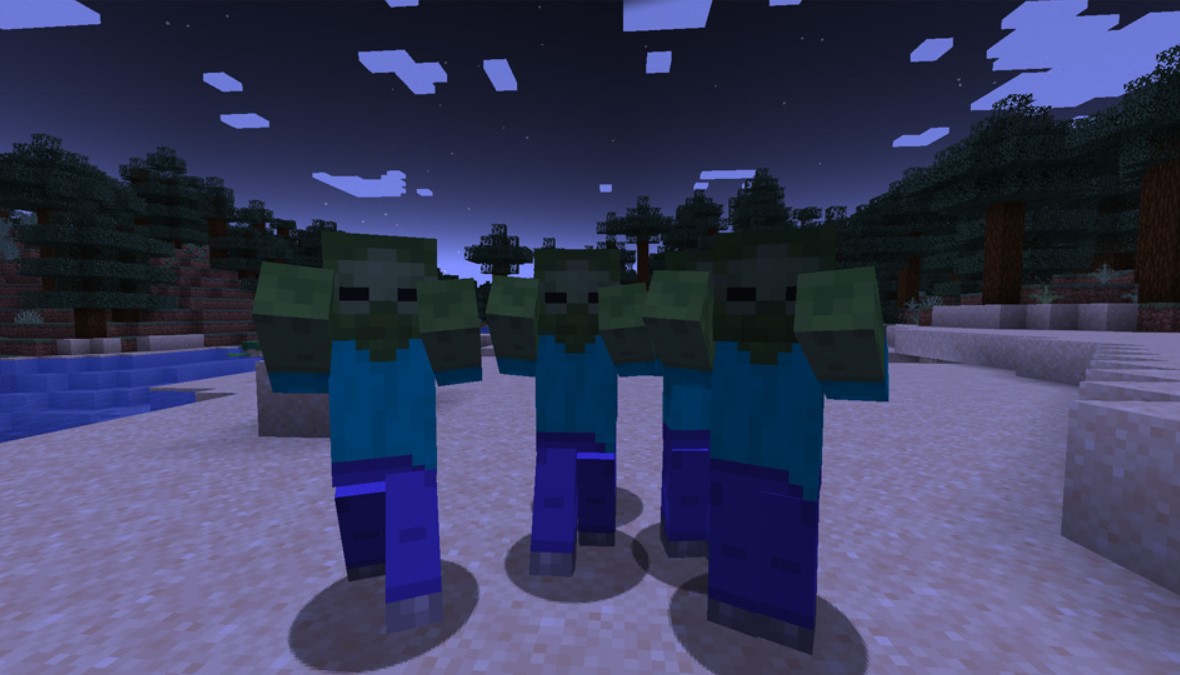
Spawns make or break tension. Zombies pop in groups of 2-4, scaling with difficulty – up to 8 on hard. Villages get sieges, turning safe havens into traps. For devs, this screams dynamic events: script spawn zones tied to player progress, add fog-of-war reveals.
We prototype levels around this – funnel paths for ambushes, open fields for swarm chaos. Analogy: like herding cats, but the cats want to eat you. Resolves with visibility culling; keeps framerates steady even in big packs.
And the baby jockeys? Zombie on a chicken, zipping like greased lightning. Nightmare fuel, but genius for variety. In your game, mount variants on wildlife – zombie wolves, anyone?
FAQ
What’s the spawn rate for a Minecraft zombie?
They group-spawn at night in low light, 2-4 per pack, with 5% babies. Villages amp it during sieges.
How do you cure a zombie villager in Minecraft?
Splash weakness potion, then golden apple. Wait 2-5 minutes – boom, trader buddy.
Do Minecraft zombies burn in daylight?
Yep, unless geared or shaded. Husks and drowned skip the barbecue.
What’s the rarest drop from a Minecraft zombie?
Equipped gear like iron helmets, under 0.1% base. Looting cranks it up.
Can Minecraft zombies climb ladders?
Sure, but they prefer paths. Babies squeeze through gaps, though – no ladders needed.
How much damage does a Minecraft zombie deal?
3 hearts unarmed on normal; scales with weapon. Armored ones hit harder.
Any new Minecraft zombie twists in 2025 updates?
Snapshots tease equipped variants like Zombie Nautilus, but core loot and AI hold steady.
Conclusion
Wrapping this up – whew, that was a fun ramble through green-skinned terror. From the ManillaGames crew, hope this lights a fire under your next build. That Minecraft zombie’s simplicity? It’s a reminder: great games start with one solid foe.
If this hit home, do us a solid – share it across your feeds, toss it in bookmarks for later sketches. We’re all in this pixel grind together. Got collab vibes, creative brainstorms, or just wanna chat undead AI? Hit us up direct at ManillaGames HQ. Let’s make some magic.