
What’s the Big Deal with Licensing? (And Why the Evil Dead Game Matters)
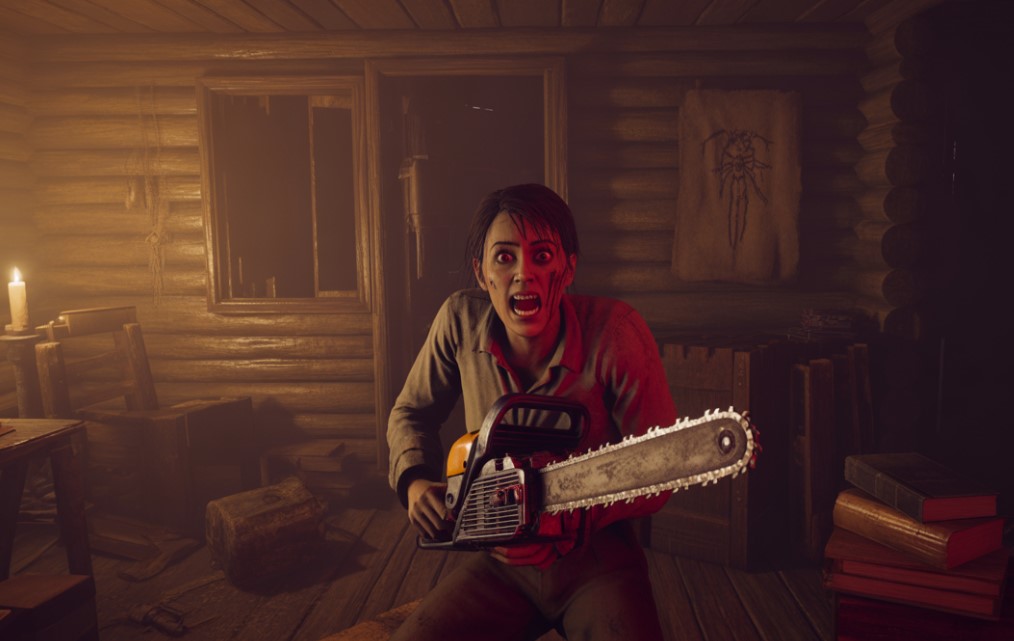
Building a game around a huge, beloved franchise like Evil Dead game – with Ash, the Necronomicon, and all that groovy horror – is a double-edged sword. On one hand, you’ve got this massive, built-in audience just ready to throw money at you. That’s an instant marketing win! You’re working with an established aesthetic, which is awesome for artists and level designers. I mean, who doesn’t want to recreate the infamous cabin in the woods? It’s iconic.
But here’s the catch, and this is the professional jargon coming out: you are entering a licensing agreement and are subject to the original IP holders’ vision, contract terms, and often, a strict time-to-market. It’s not your original baby, see? You’ve got to deliver something authentic that resonates with fans. That’s a tough design constraint. For the folks who made the recent Evil Dead multiplayer title, they had to nail the specific tone – that perfect blend of over-the-top gore and slapstick comedy – and they did for a while. The game had that gritty, Deadite-slaying feel. But here’s the thing: that initial success can be deceiving if you don’t have a rock-solid plan for the long haul. The following guide helps to understand the phenomenon of such games as Evil Dead for aspiring game devs. Enjoy reading!
The Problem of the Long Game: Content, Communication, and Community
Honestly, for us developers, the release date isn’t the finish line; it’s more like the starting gun for the marathon of live service. The original Evil Dead game from ’84 on the Commodore 64 – a little adventure game where you shut windows to keep the baddies out-was simple, right? It was a fun five-minute burst. But modern games? They need life support!
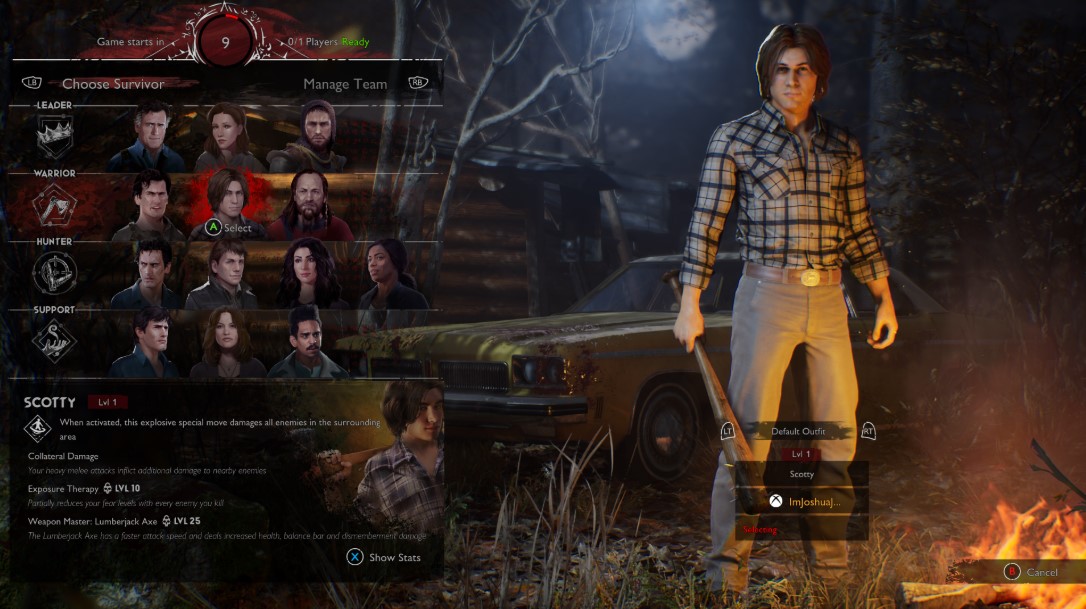
The core issue with the recent asymmetrical horror title, and a huge lesson for any aspiring dev, was the post-launch phase. This is where the emotional connection with your player base really matters. Players fell in love with the fast-paced, action-oriented 4v1 gameplay – it wasn’t just another Dead by Daylight clone where you mostly hid. It was a proper fight, a full-on war with Deadites.
Take a look at what the community was saying after the initial hype cooled off:
- Communication Gap: A lot of the frustration stemmed from developers going radio silent. If you’re running a live service game, you have to talk to your community. Even if the news is bad, transparency builds trust. Silence is basically telling your players you don’t care, and that hurts.
- Content Starvation: New maps and game modes dried up way too fast. We’re talking about a game where the core loop felt great, but the novelty factor wears off quickly in the multiplayer sphere. You need that constant drip of newness to keep the engagement high.
- Balance Troubles: Asymmetrical games are notorious for this. It’s a tricky beast to tame! If one side (Demon or Survivor) feels too strong for too long, players get frustrated and just stop showing up. It’s a delicate balancing act, a bit like trying to juggle chainsaws and boomsticks – it takes constant, careful adjustments.
The simple truth is, a game needs ongoing support. When new content development was cut short and the game was later delisted from digital stores – just a couple of years after launch – it was a real blow to the community. It’s a sobering reminder that a cool IP and fun core mechanics aren’t enough without the infrastructure to sustain them.
What Does This Mean for Beginner Game Developers and Artists?
If you’re a beginner developer or an artist, what should you take away from the whole Evil Dead saga? It’s not a tale of failure, but a masterclass in challenges.
Lessons for the Devs-in-Training
You might be focused on coding that killer movement system or figuring out your physics engine – which is great, you absolutely should – but you also need to think about the big picture.
The “Infinite Well” Mentality vs. Reality
| Goal | Reality Check from Evil Dead | Pro-Tip for Beginners |
| Mechanics | The core 4v1 action was universally praised. The game feel was there. | Nail the feel first. Your moment-to-moment gameplay has to be fun. |
| Sustainability | Lack of new maps/modes led to player fatigue and delisting. | Plan your post-launch content budget and schedule before you launch. |
| Community | Poor communication made players feel abandoned, even with the IP love. | Budget time for genuine community engagement. Make a developer diary! |
The development process for a modern IP title is a beast. Back when Evil Dead: Hail to the King (2000) was made, they talked about using C and C++ for the engine, with an AI system based on Java – pretty standard for the time, but the key takeaway was the cohesive team and the editors they built. See, they focused on the tools!
You need to ask yourself: “Can my art pipeline handle a massive, continuous asset stream?” and “Is my core game loop robust enough to sustain years of player interaction without becoming stale?” If you’re building an asymmetric multiplayer title-or any live service game, honestly-you need a content roadmap that stretches far beyond the first DLC. You can’t just rely on the brand name forever.
Advice for Aspiring Game Artists
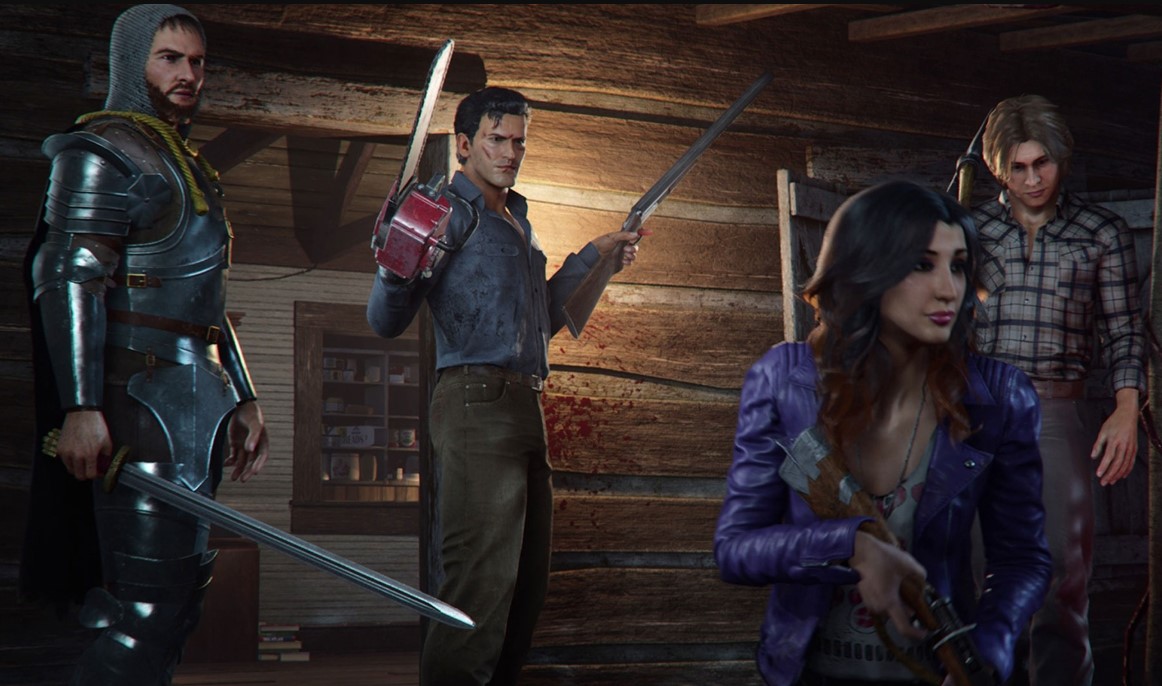
Artists, you folks absolutely nailed the visual part of the Evil Dead game! The character models – from Ash to Henrietta – and the faithful recreation of the environments were phenomenal. That authenticity is what makes fans happy.
What we learned is that using engines like Unreal Engine can be a godsend for capturing that moody, atmospheric horror. Jules Faivre, a Creative 3D Art Director on the game, talked about using Unreal’s lighting and environmental tools to create those “short and oppressive view distances” that crank up the fear.
But here’s a subtle emotional hint for you: when you’re working on an IP, you’re a steward of someone else’s memories. You’re not just creating a mesh; you’re reviving a classic feeling. This means attention to detail is paramount.
- Did the wood grain on the cabin look right?
- Was the blood spray just the right shade of cartoonish-red for Evil Dead‘s tone?
- Did the colors and lighting capture the original film’s gradient?
These tiny details are what make a licensed game feel right. It’s all about cultural relevance and contextual authenticity. You’re giving the fans a digital hug of nostalgia.
A Few Quick Tips on Game Design and Teamwork
Let me explain something important. A lot of beginners overlook this: scope creep is a Deadite! You’ve got to cut it off with your chainsaw hand before it infects the whole project. The Evil Dead game had a massive roster of characters and different versions of Ash, each with unique skills. That’s a ton of assets, a ton of animation work, and a ton of balancing headaches.
Here’s a small, conversational digression: remember that scene in Army of Darkness where Ash has to say the words before grabbing the Necronomicon? “Klaatu, barada, nikto”- and he messes it up? That’s what happens when you rush development or overcomplicate things. You miss the magic word, and suddenly, you’ve unleashed an army of skeletons.
We’re a team of developers, and we can tell you – the secret to a smooth pipeline isn’t just one amazing coder or one superstar artist. It’s team cohesion – that spontaneous, logical flow between departments.
| Development Aspect | What to Aim For |
| Version Control | Every team member must be tightly linked; nobody is working on an isolated piece of the puzzle. Git, Perforce-you name it, master it. |
| Feature Set | Keep it tight! Focus on what makes your game unique, not just checking off a list of everything other games have. |
| Testing | Make a robust internal QA process. Don’t rely on your players to find game-breaking exploits. |
Honestly, nothing is more frustrating than a team that isn’t on the same page. If your artists are building textures that your programmers can’t render efficiently, you’re in for a world of hurt.
Groovy Conclusion: Ash’s Final Advice
Look, building a horror game – especially one tied to a franchise as beloved as Evil Dead – is an incredible, often chaotic process. It’s a rush! But the final lesson here, the one we at ManillaGames really want you to take to heart, is that your relationship with your audience is everything. Don’t just build a game; build a community. Don’t just use an engine; master the tools. Don’t just release a product; commit to the journey. The Evil Dead game was a blast, a true love letter to the franchise, but it’s a powerful, cautionary tale that teaches us that the initial excitement is just the prologue to the real story of game development. Keep it groovy, and stay honest with your players.
Hey, thanks so much for checking out our take on this whole situation. If you found this useful – maybe it gave you a better idea of what to watch out for in your own projects – please, show us some love! Support our team by sharing this post online across social media and add this content to bookmarks. You know, you can also write to the ManillaGames team directly if you seek creative or commercial collaboration. We’re always keen to chat with fellow developers and artists!