
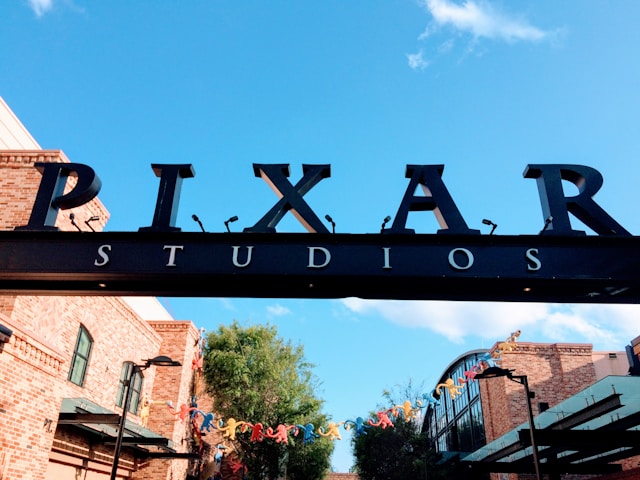
Animation isn’t just a medium — it’s an emotion. It bridges generations, ignites imaginations, and brings impossible worlds to life. Whether it’s the sweeping magic of Pixar or the quiet genius of Studio Ghibli, the best animation studios continue to redefine what storytelling can feel like.
But what exactly makes a studio “the best”? Is it the art style, the technology, the storytelling, or that undefinable magic that lives between frames? Let’s take a closer look at the names that have transformed global animation into both high art and heartfelt entertainment.
Expert note: Evaluate studios by consistent craft (story, character, pacing) and innovation (visual language, pipeline, tools). Awards help, but true greatness shows in cultural influence and rewatchability across generations.
Pixar Animation Studios — Emotion Meets Perfection
If storytelling had a crown, Pixar would wear it. From Toy Story to Soul, Pixar mastered the art of emotional depth wrapped in visual brilliance. Every frame is thoughtful, every tear earned. Their success lies in a simple formula: make audiences feel before they think.
Pixar’s blend of technology and narrative makes it a cornerstone among the best animation studios. They’re not afraid of silence, sadness, or simplicity — and that’s what makes their stories human.
Walt Disney Animation Studios — The Kingdom of Dreams
The studio that started it all. Since Snow White in 1937, Disney has set the standard for animated storytelling. With hits like Frozen, Moana, and Zootopia, it continues to evolve — mixing timeless themes with contemporary values.
Disney’s magic isn’t just nostalgia; it’s reinvention. Each decade, it finds a new way to speak to audiences. That’s why it remains one of the best animation studios in history — a living legacy of fantasy, innovation, and courage.
Studio Ghibli — The Poetry of Motion
If animation were literature, Studio Ghibli would be its poetry. Founded by Hayao Miyazaki and Isao Takahata, it creates films that feel like dreams you don’t want to wake from. Spirited Away, My Neighbor Totoro, and Princess Mononoke aren’t just films — they’re quiet meditations on nature, childhood, and the soul.
What makes Ghibli one of the best animation studios isn’t just its artistry, but its stillness. It teaches us that beauty can live in small gestures — a flicker of wind, a bowl of noodles, a sigh.
DreamWorks Animation — Fun with a Pulse
DreamWorks built its empire on humor, self-awareness, and big-hearted chaos. From Shrek to How to Train Your Dragon, their stories burst with personality. They don’t chase perfection; they chase energy — and it works.
The studio thrives on character-driven worlds that are funny, flawed, and full of heart. DreamWorks is proof that “different” can be just as powerful as “classic.”
Sony Pictures Animation — Breaking Boundaries
If you’ve seen Spider-Man: Into the Spider-Verse, you know why Sony belongs on this list. It didn’t just make a great movie — it reinvented animation language itself. The blend of 2D, 3D, comic texture, and kinetic motion changed the industry’s visual vocabulary overnight.
Sony’s willingness to experiment keeps it among the best animation studios. Its projects (The Mitchells vs. The Machines, Across the Spider-Verse) show that bold style choices can tell emotionally grounded stories.
Illumination — Simplicity That Sells
Say what you will about the Minions — they work. Illumination understands mass appeal better than almost anyone. Despicable Me, Sing, and The Secret Life of Pets may not always chase deep emotion, but they deliver joy with precision.
Their strength lies in global accessibility. Visual humor, bright colors, and universal themes make Illumination one of the most commercially successful animation studios on Earth.
Laika — The Craft of the Handmade
In an era of digital dominance, Laika keeps the tactile alive. With stop-motion masterpieces like Coraline, Kubo and the Two Strings, and ParaNorman, the studio has carved a unique place among the best animation studios.
Every Laika frame is handcrafted art — detailed, eerie, and beautiful. Their stories feel personal and timeless, exploring imagination through physical texture.
Cartoon Saloon — The Soul of Celtic Animation
From Ireland, Cartoon Saloon emerged quietly but left a thunderous impact. Films like The Secret of Kells, Song of the Sea, and Wolfwalkers blend folklore, spirituality, and jaw-dropping design.
Their style — flat yet alive, mythical yet grounded — proves that 2D animation still has power in a 3D world. Each project feels like a painting that breathes.
Blue Sky Studios — Legacy of Laughter
Before it closed its doors under Disney, Blue Sky left behind an unforgettable legacy. Ice Age, Rio, and Robots defined a generation’s childhoods. Their colorful, kinetic worlds still influence animation style today.
Even in absence, Blue Sky remains part of the DNA of the best animation studios, reminding us that storytelling leaves echoes long after the credits roll.
| Studio | Signature Strength | Hallmark Titles |
|---|---|---|
| Pixar | Emotional storytelling, thematic clarity | Toy Story, Inside Out, Soul |
| Disney | Mythic structure, musical spectacle | Snow White, Frozen, Moana |
| Studio Ghibli | Quiet wonder, environmental themes | Spirited Away, Totoro, Mononoke |
| DreamWorks | Irreverent humor, character energy | Shrek, How to Train Your Dragon |
| Sony Pictures Animation | Bold visual language, hybrid styles | Into the Spider-Verse, Mitchells vs. Machines |
| Illumination | Global accessibility, visual comedy | Despicable Me, Sing |
| Laika | Tactile stop-motion craft | Coraline, Kubo, ParaNorman |
| Cartoon Saloon | Celtic art direction, folklore | Secret of Kells, Song of the Sea, Wolfwalkers |
| Blue Sky (legacy) | Colorful adventure, comedic timing | Ice Age, Rio, Robots |
The Future of Animation — Beyond the Giants
While the giants dominate, new voices are rising. Indie creators, global studios, and digital collectives are reshaping animation’s boundaries. Netflix’s partnerships, Indian and African studios, and YouTube creators are proving that innovation no longer needs a big budget — just a bold vision.
The next wave of the best animation studios might not come from Hollywood or Tokyo — it might come from a bedroom, a laptop, and a story worth telling.
What Makes a Studio “The Best”?
It’s not just budgets or Oscars. It’s the ability to connect — to remind us that even pixels and drawings can feel alive. The best studios build worlds that linger in memory. They make us laugh, cry, and wonder.
| Criterion | Why It Matters | How to Spot It | Examples |
|---|---|---|---|
| Story & Character | Emotional durability outlives trends | Memorable arcs, quotable moments | Pixar, Ghibli |
| Visual Language | Style communicates theme at a glance | Distinct silhouettes, consistent art direction | Sony (Spider-Verse), Cartoon Saloon |
| Innovation | New pipelines unlock new emotions | Hybrid techniques, real-time rendering, experimental visuals | Sony, Laika |
| Cultural Impact | Stories reshape audience vocabulary | Memes, references, multi-generational resonance | Disney, DreamWorks |
| Replay & Longevity | Rewatch value proves lasting substance | Ages well, maintains relevance across decades | Pixar, Ghibli, Blue Sky (legacy) |
When you think about it, animation isn’t just an art form. It’s a mirror for our imagination — showing us what it means to dream in color.
Final Thoughts
From Disney’s timeless tales to Laika’s meticulous craftsmanship and Sony’s boundary-breaking visuals, the best animation studios share one mission: to make stories that feel human, no matter how fantastical.
They remind us that technology may evolve, but the heartbeat of animation remains the same — emotion, creativity, and the courage to imagine what doesn’t yet exist.
Because at the end of the day, the best animation isn’t just seen. It’s felt.