
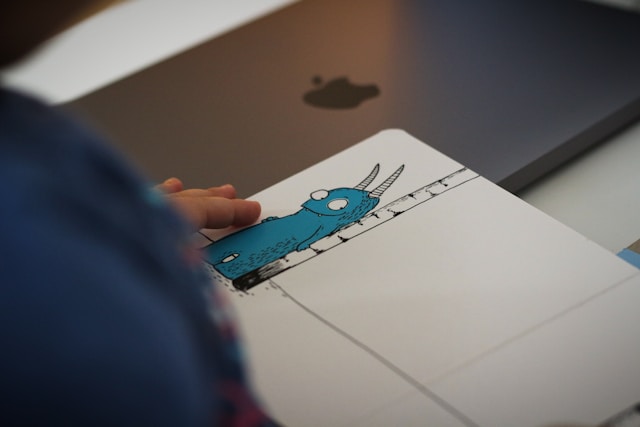
Every incredible animation — whether it’s a Pixar short, a viral TikTok loop, or a minimalist motion graphic — begins with one thing: an idea. Not just any idea, but one that moves. It’s funny how a few lines on a storyboard can evolve into something that makes people cry, laugh, or stay up too late binge-watching. That’s the magic of strong animation ideas — they bridge imagination and emotion in ways words can’t.
But how do animators come up with them? And why do some concepts stay sketches while others become global sensations? Let’s unpack the art (and chaos) of creative thinking in animation.
Expert note: Treat ideation as a repeatable pipeline. Capture sparks (notebooks, voice memos), convert to 10–15s motion tests, and validate with audience feedback. Prioritize emotion and readability over complexity; tools amplify ideas — they don’t create them.
The Anatomy of a Great Animation Idea
Good animation starts with clarity — not complexity. You don’t need a dozen characters or a galaxy-spanning plot. You need one emotional truth, something that resonates.
Maybe it’s curiosity (What if clouds had feelings?). Maybe it’s irony (A pencil trying to escape its artist). The best animation ideas begin with a simple question — and spiral outward from there.
What separates a “meh” idea from a memorable one? Three things:
- Emotion: Even surreal stories need heart. Animation without emotion feels like a tech demo.
- Relatability: The more universal the theme, the deeper the impact.
- Visual potential: Not every idea wants to be animated — some are better as live action or comics. The key is spotting which stories thrive in motion.
Where Inspiration Actually Comes From
Let’s be real — inspiration doesn’t strike out of nowhere. It hides in plain sight. You find it while scrolling memes, waiting for a bus, or daydreaming in a meeting you’re not supposed to be daydreaming in.
Try this exercise: keep a “visual notebook.” Sketch, jot phrases, describe textures or colors. That random doodle of a flying sandwich? Could become your next viral short. Some of the world’s best animation ideas came from the silliest sparks.
Here are a few great sources of creative fuel:
- Daily life: Mundane routines become magical with exaggeration.
- Music: Rhythm sparks timing, pacing, and mood.
- Dreams and nonsense: Illogical stories often make the best visuals.
- Old folklore: Myths, fables, and legends are gold mines for reinvention.
- Internet culture: Memes, absurdism, and trends are the modern fairytales.
| Source | Visual Hook | One-Line Prompt | Complexity |
|---|---|---|---|
| Daily life | Exaggerated chores; anthropomorphic props | “Alarm clock sabotages snooze to save the day.” | Easy |
| Music | Beat-synced motion; visualized tempo | “City crosswalk lights dance to a busker’s loop.” | Easy–Medium |
| Dreams | Impossible physics; morphing shapes | “Stairs fold into a ribbon that turns into a kite.” | Medium |
| Folklore | Modernized myths; strong silhouettes | “A fox spirit runs a lost-and-found for memories.” | Medium–Hard |
| Internet culture | Loopable gags; meta humor | “Loading bar tries to finish before the user blinks.” | Easy |
Turning Concepts Into Motion
You’ve got an idea. Now what? Here’s where many artists stall — between “concept” and “execution.”
Start by asking: What’s the tone? Is it comedic, tragic, eerie, or absurdly cute? Tone dictates motion. Then visualize your story in beats — key moments or expressions that define the emotional arc. Don’t overthink the software yet; think rhythm, timing, and gesture.
Sometimes animators create short “motion tests” — 10 seconds of movement to capture the vibe. Those snippets often shape entire projects. Remember, even major studios begin with animatics that look like stick figures dancing to temp music.
| Stage | Focus | Common Pitfalls | Quick Fixes |
|---|---|---|---|
| Concept | One emotional truth; clear premise | Too many ideas; no core message | Write a one-sentence logline; cut subplots |
| Beat outline | 5–8 key beats; tone & arc | Flat middle; unclear stakes | Add a midpoint turn; raise a simple goal/obstacle |
| Storyboard / Animatic | Staging, silhouette, timing | Crowded frames; muddy reads | Trim to one idea per shot; push posing contrast |
| Motion test | 10–15s vibe check | Polishing too early | Lock timing first; iterate on spacing |
| Production | Consistent rhythm; clean arcs | Pacing drift; over-animations | Use holds/anticipation; simplify overlapping action |
| Post | Sound design; grade; exports | Flat audio; washed colors | Layer foley; gentle LUT; loudness-normalize |
Modern Trends in Animation Ideas
Animation trends evolve with culture — and tech. Right now, three big directions dominate the creative landscape:
- Micro-stories for social media: Platforms like TikTok and Instagram have turned animation into snackable storytelling. 10–15 seconds is all you need.
- Hybrid styles: Mixing 2D with 3D, or frame-by-frame with procedural motion, gives new textures. (Think Spider-Man: Into the Spider-Verse.)
- Meta narratives: Animations that break the fourth wall, mock their own process, or blend reality with absurdity are thriving.
Fresh animation ideas thrive on experimentation. Rules can be stretched, timing broken, and characters looped forever — and somehow, it still works.
Common Mistakes That Kill Good Animation Ideas
Even the most inspired animators can fall into traps:
- Overcomplicating the plot: Keep it simple — one clear arc beats five subplots.
- Neglecting timing: Animation is rhythm; sloppy pacing ruins flow.
- Forgetting purpose: Not every idea needs to be “deep.” Humor, charm, and texture are enough.
- Copying trends too literally: Inspiration is good; imitation kills originality.
Ask yourself: Would I still love this project if it got zero views? If the answer is yes, you’re on the right track.
From Brainstorm to Screen
Once your idea feels solid, build a rough timeline:
- Concept sketch: Capture tone and character essence.
- Storyboard: Map key moments.
- Animatic: Add sound and motion flow.
- Rough animation: Don’t chase polish early — nail timing first.
- Final render: Lighting, texture, and mood polish the experience.
Treat the process like jazz — structured chaos. The beauty of animation is that even mistakes can evolve into breakthroughs. That weird frame drop? Maybe it becomes part of your style.
The Emotional Core
At the heart of every strong animation idea is connection. Why do people still talk about WALL·E or Ghibli films years later? Because they feel something. The art moves — but so does the audience.
Animation is empathy in motion. You can make a lamp, a blob, or a toaster feel alive, and that’s pure storytelling power. Never underestimate that.
Final Thoughts
The best animation ideas aren’t born from fancy tools or expensive gear — they come from curiosity. They start as “what ifs” scribbled on napkins, in sketchbooks, or voice memos at 2 a.m.
So next time your brain tosses you a ridiculous image — a penguin DJ, a talking sock, a time-traveling cat — don’t dismiss it. That could be the spark of something unforgettable.
Because great animation doesn’t just entertain. It reminds us that imagination still rules the screen — one moving frame at a time.